
Formation
Searching for the truth
Ask the people who have entered the Catholic Church through OCIA what brought them, and most give the same answer: they were looking for the truth. If that is your search too, you are not alone, and you are welcome here.
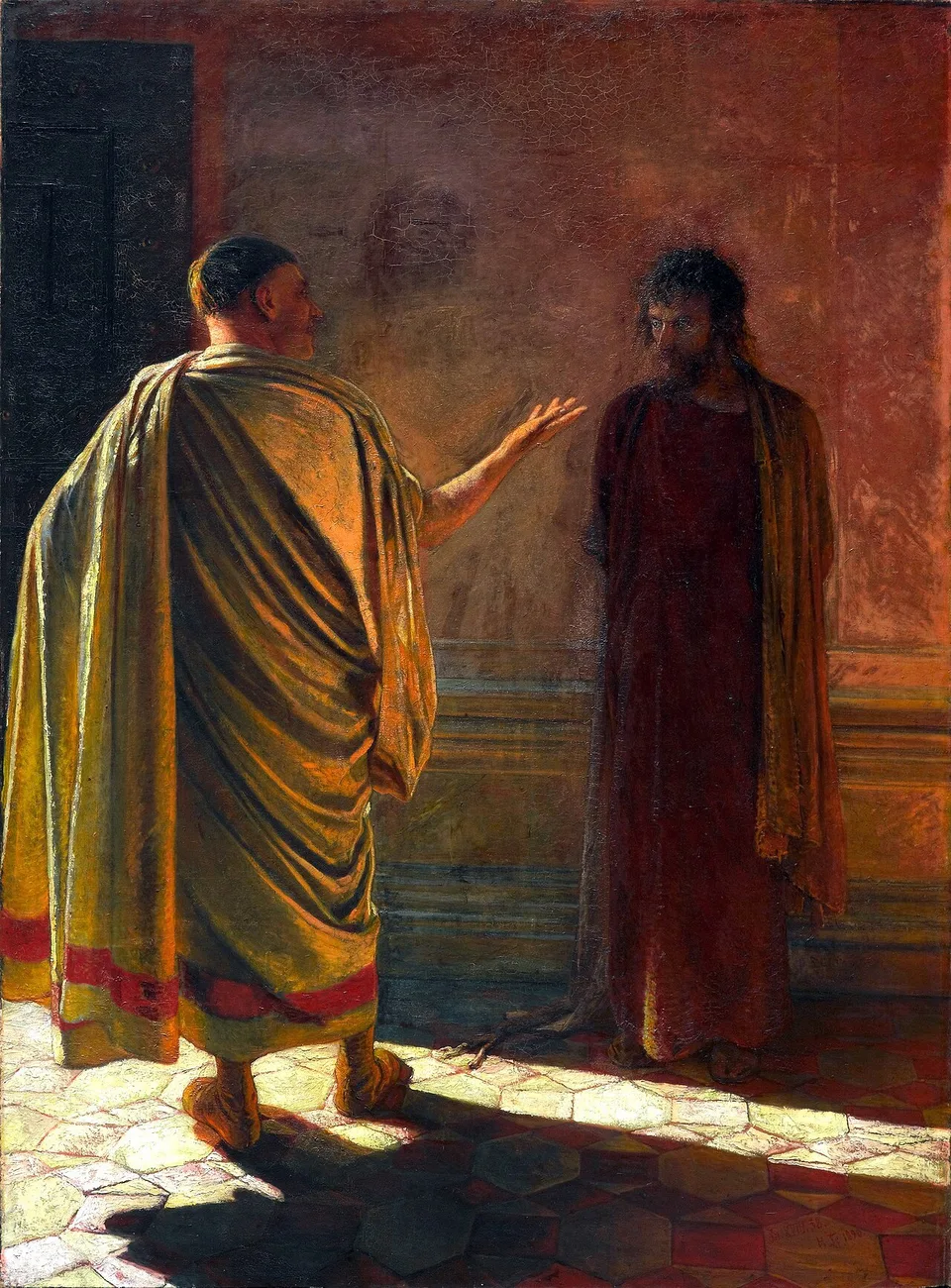
For this I was born, and for this I have come into the world, to bear witness to the truth. Everyone who is of the truth hears my voice.John 18:37 · Pilate answered, “What is truth?”
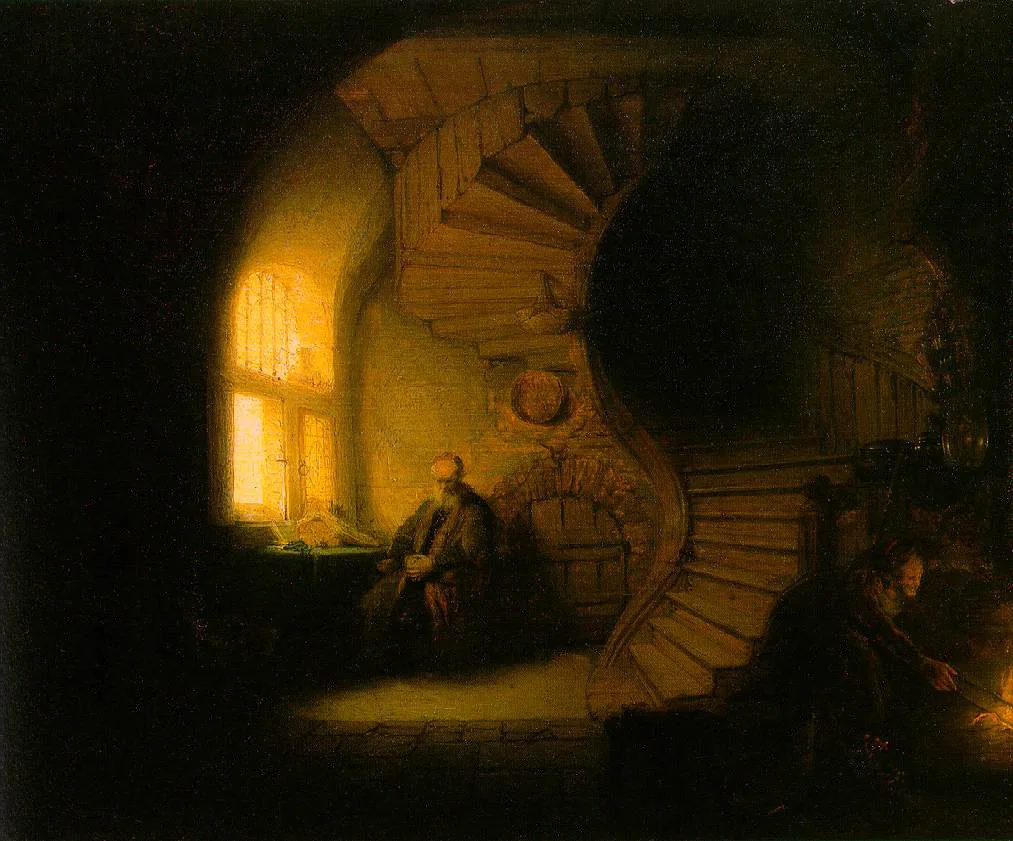
A question worth a life
The desire to know is not a distraction
Is there a God? Why is there anything at all? What is a human being for, and what happens when we die? Is there something true and good that does not change with the mood of the times? These are not idle questions. They are the most human thing about us.
The Catholic Church takes that longing seriously, because she believes God put it there. “The desire for God is written in the human heart, because man is created by God and for God; and God never ceases to draw man to himself. Only in God will he find the truth and happiness he never stops searching for” (Catechism of the Catholic Church 27).
Nor does the Church ask you to stop thinking. “Faith and reason are like two wings on which the human spirit rises to the contemplation of truth,” wrote St. John Paul II (Fides et Ratio). Faith does not replace reason; it takes reason further than it can go alone.
You are invited
If you are searching, come and search with us. OCIA, the Order of Christian Initiation of Adults, is where you can bring every question, at your own pace, with no pressure to decide anything.
Write to Br. Michael Paul at family@loyoladenver.org, or call the office at 303-322-8042.
Honest questions
Questions people bring
Every one of these has been asked, out loud, by someone who later became Catholic. None of them is a reason to stay away.
Is there really such a thing as truth?
We live as if there is. We expect a doctor to tell us the truth, and we know a lie when we are told one. The Church holds that reality can be known, that the human mind is made for it, and that the deepest truth is not an idea but a Person: Jesus said, “I am the way, and the truth, and the life” (John 14:6). “Man tends by nature toward the truth” (Catechism 2467).
Can I believe in God and still think for myself?
Yes. The Church teaches that God’s existence can be known by the light of reason (Catechism 36), and her greatest teachers, from St. Augustine to St. Thomas Aquinas, were among the greatest thinkers of their ages. In OCIA you will be asked to think, not to switch your mind off.
Why Jesus, and not just “being spiritual”?
Because Christianity is not first a set of ideas about God, but the claim that God has come looking for us. Jesus did not only teach; he lived, died and rose again, and the apostles staked their lives on what they had seen. OCIA is a chance to read the Gospels for yourself and weigh that claim.
Why the Catholic Church?
Because Christ did not leave a book only; he left a people. He chose the apostles, gave them his authority, and promised to be with them always (Matthew 28:20). The Catholic Church is that same community, unbroken for two thousand years, carrying the Scriptures, the sacraments and the teaching of the apostles. In OCIA you can look at the history and the reasons yourself.
What about the sins of the Church’s members?
They are real, and some have been terrible, in our own time too. They are betrayals of what the Church teaches, not proof that it is false. The Church has always been made of sinners who need mercy; that is why she exists. This is a fair question to bring, and you will be heard.
What if I still have doubts?
Bring them. St. John Henry Newman, who searched for years before becoming Catholic, wrote that “ten thousand difficulties do not make one doubt.” Questions are how a mind grows into faith, and the apostle Thomas doubted too (see below).
What if I don’t think I would fit in?
Many people who come to OCIA say this was their biggest fear. But belonging to the Church is not something you earn by fitting in. It is a gift God gives: in Baptism he makes us his own children, members of Christ’s Body, and part of his people. Before that day, you are already invited, and you will not be left on your own.
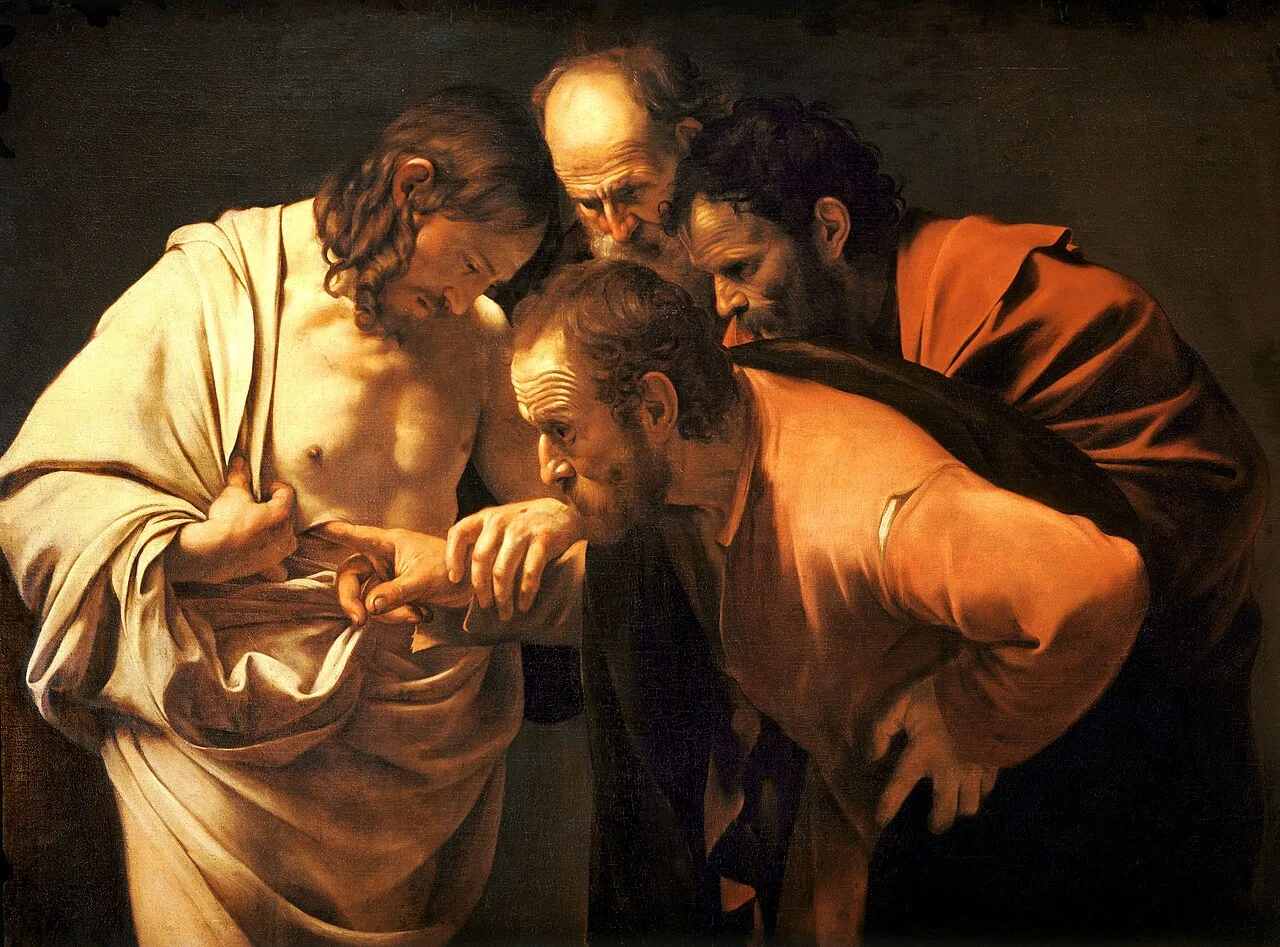
Bring your doubts
“Put your finger here”
When the other apostles told Thomas they had seen the risen Lord, he refused to believe without proof. A week later Jesus came again, and he did not scold him or send him away. He said, “Put your finger here, and see my hands; and put out your hand, and place it in my side; do not be faithless, but believing.” Thomas answered with the greatest confession of faith in the Gospels: “My Lord and my God!” (John 20:24–29).
Christ is not afraid of honest questions. Neither are we.
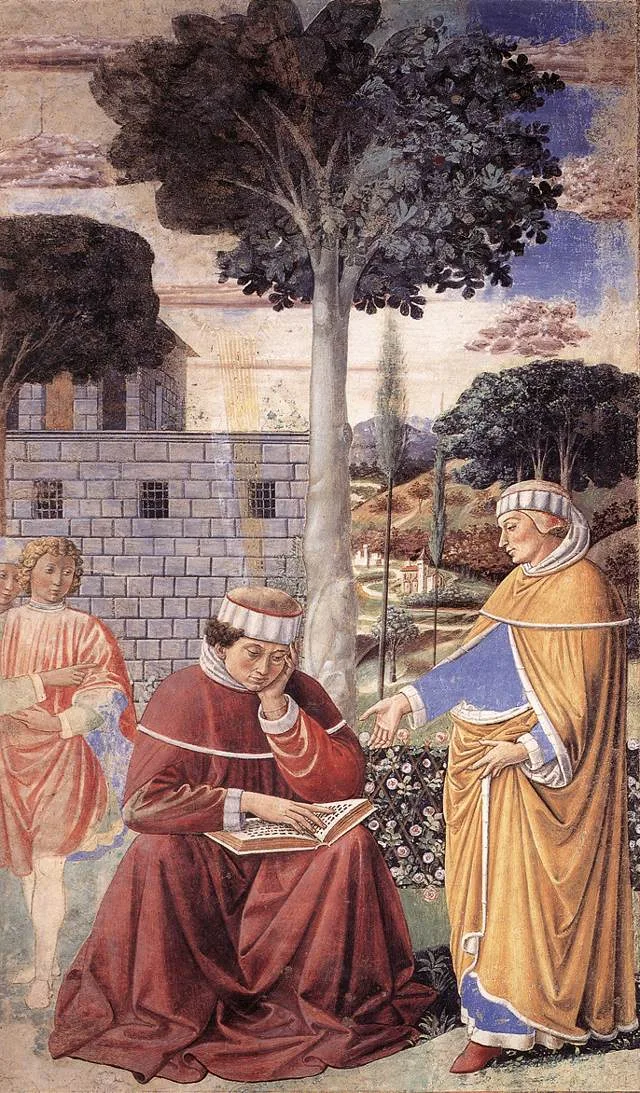
They searched before you
St. Augustine: “Take and read”
Augustine was brilliant, ambitious and restless. He tried philosophy, a fashionable religious sect and a successful career, and none of it gave him rest. In a garden in Milan, in tears, he heard a child’s voice chanting “Take and read.” He opened the letters of St. Paul, read, and his search was over. He was baptized at the Easter Vigil of 387.
He later wrote the line that every searcher understands: “You have made us for yourself, O Lord, and our heart is restless until it rests in you” (Confessions, I.1).
Whoever seeks the truth is seeking God, whether he knows it or not.St. Edith Stein (Teresa Benedicta of the Cross)
A great cloud of witnesses
They searched before you
A philosopher of ancient Rome, a wounded soldier, an Oxford scholar and a Jewish philosopher who had stopped believing in God. Different centuries, different questions, one discovery: the truth they were looking for had a face, and was looking for them.
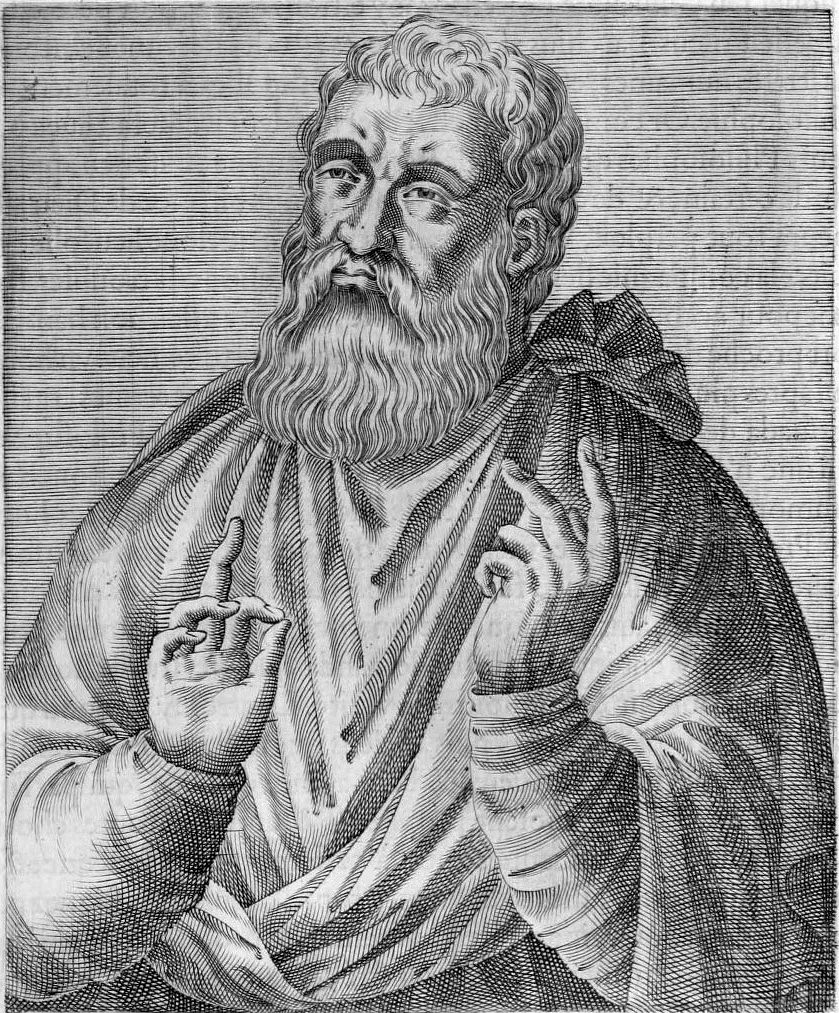
St. Justin Martyr
c. 100–165 · Philosopher
Justin went from school to school, Stoic, Aristotelian, Pythagorean, Platonist, looking for the truth about God. Walking alone by the sea, he met an old man who asked him hard questions, and pointed him to the prophets and to Christ. Justin became the first great Christian philosopher, and was martyred in Rome.
I found this philosophy alone to be safe and profitable.
André Thevet, St. Justin Martyr, from Les vrais pourtraits et vies des hommes illustres, Paris, 1584
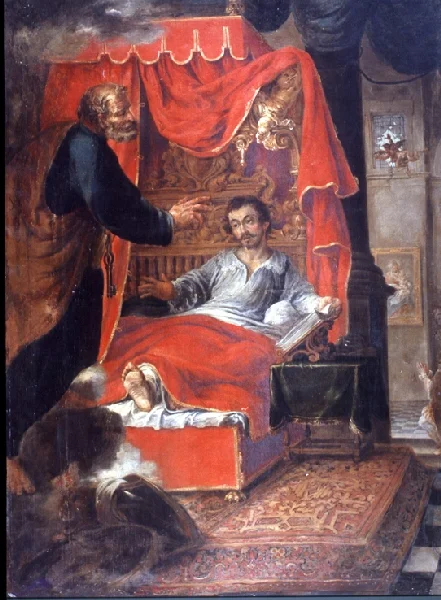
St. Ignatius of Loyola
1491–1556 · Our patron
A soldier who dreamed of glory, Ignatius was shattered by a cannonball at Pamplona in 1521. Bored in his sickbed, with nothing to read but the life of Christ and the lives of the saints, he noticed that dreams of fame left him empty, and thoughts of following Christ left him at peace. He followed the peace.
Give me only your love and your grace; that is enough for me.
Juan de Valdés Leal, St. Ignatius’s Vision of St. Peter, c. 1660–64
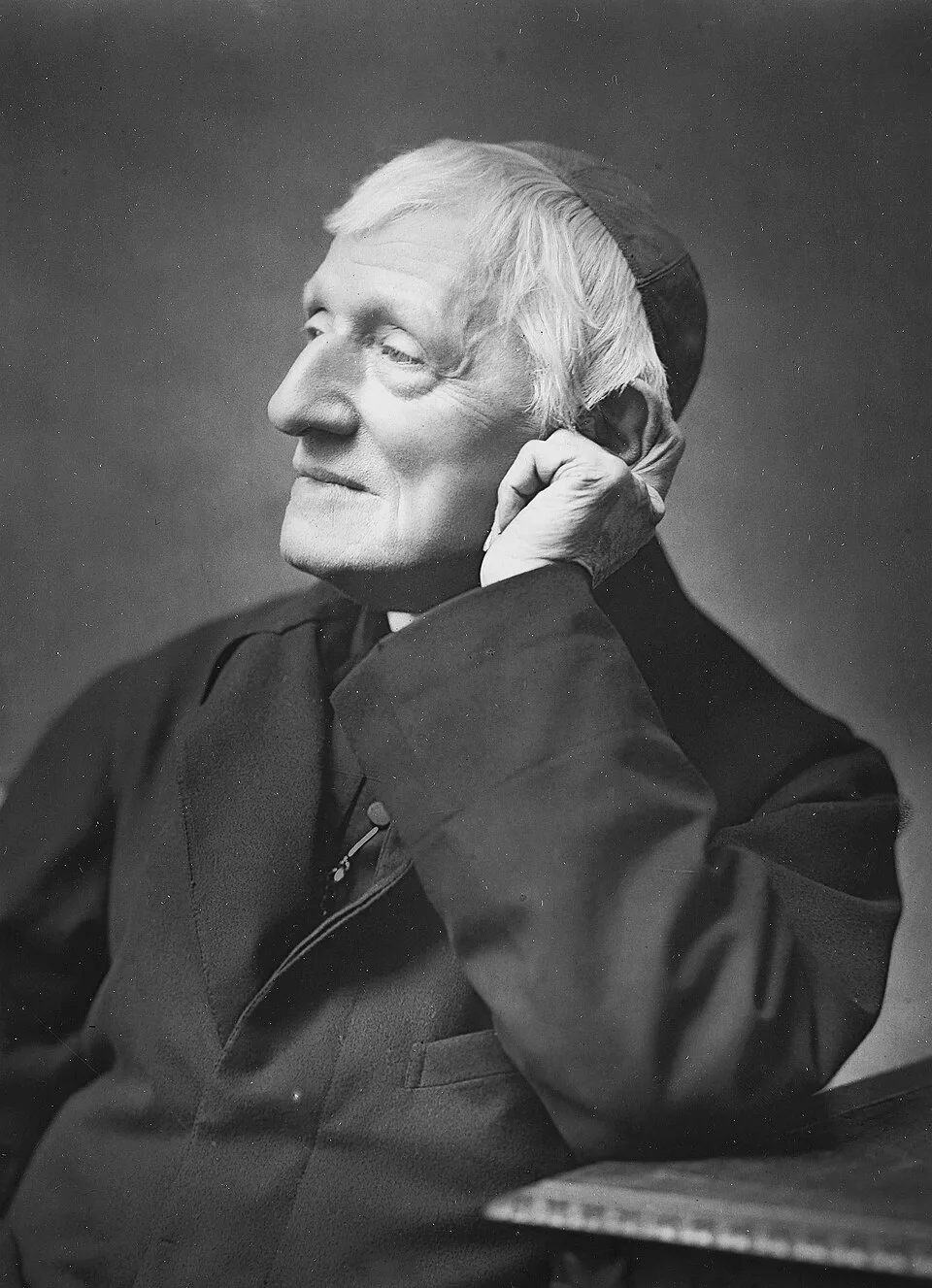
St. John Henry Newman
1801–1890 · Scholar
The most famous Anglican of his day set out to prove his church was the Church of the Fathers. He followed the evidence of history instead, and in 1845, at the cost of his career and many friends, asked to be received into the Catholic Church. Years before, still searching, he had written a prayer:
Lead, Kindly Light, amid the encircling gloom, lead Thou me on! The night is dark, and I am far from home.
Herbert Rose Barraud, John Henry Newman, photograph, 1887
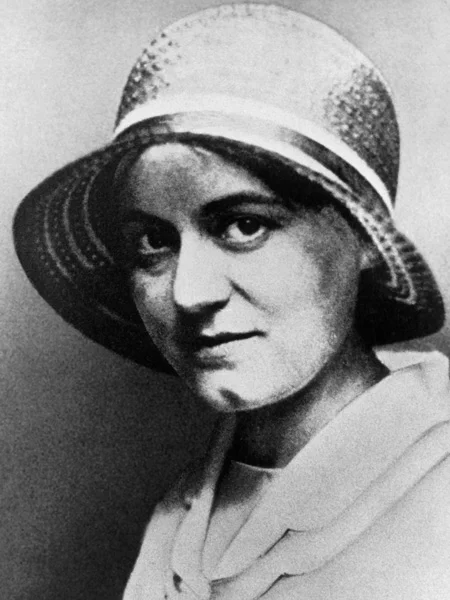
St. Edith Stein
1891–1942 · Philosopher
A brilliant Jewish philosopher who had given up belief in God, she picked up the life of St. Teresa of Ávila one summer night in 1921, read until morning, and closed the book saying, “This is the truth.” She was baptized on New Year’s Day 1922, became a Carmelite nun, and died at Auschwitz.
My longing for truth was a single prayer.
Edith Stein, c. 1920. Photographer unknown
Come as you are
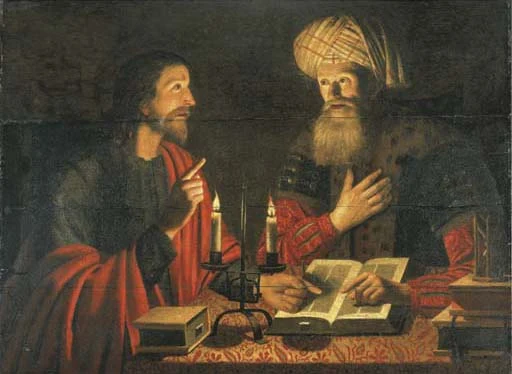
Nicodemus came by night
Nicodemus was a respected teacher, a member of the ruling council, and he was not ready to be seen with Jesus. So he came after dark, with his questions. Jesus did not turn him away or tell him to come back when he was sure. He talked with him late into the night about being “born of water and the Spirit” (John 3:1–21).
The questions did their work. Later Nicodemus spoke up for Jesus in the council, and on Good Friday, when the apostles had fled, he came openly with myrrh and aloes to bury him (John 19:39).
You can begin quietly too. An email or a phone call is enough. Nobody will rush you.
Where to start reading
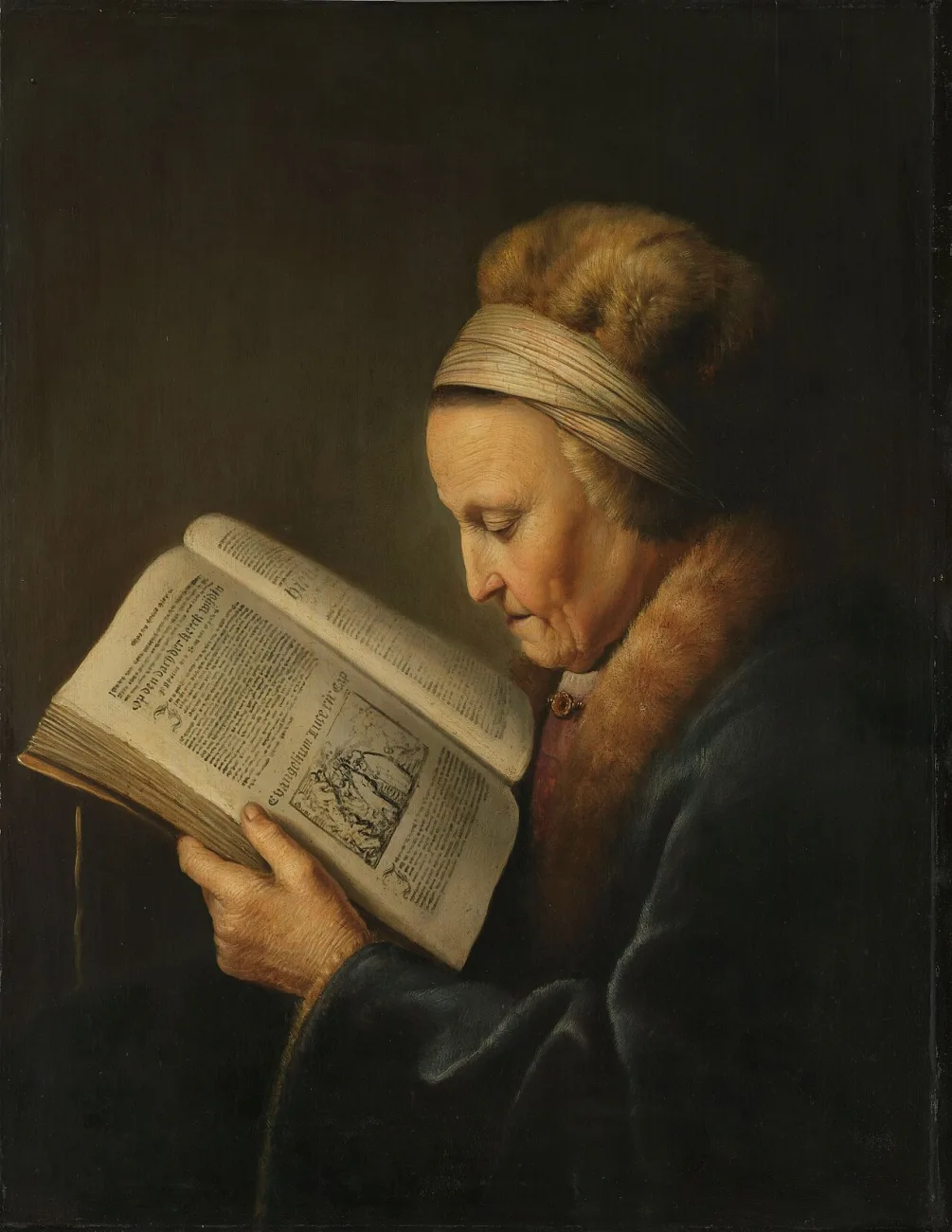
Read for yourself
Every one of these is free to read online, and every one was written by someone who asked the same questions you are asking.
- The Gospel of JohnThe New TestamentThe best place to begin: the life of Jesus told by the disciple he loved, written “that you may believe” (John 20:31).
- ConfessionsSt. Augustine, c. 400The first great autobiography: a restless mind’s search for truth, told as a prayer.
- Fides et RatioSt. John Paul II, 1998On faith and reason: why the search for truth and the search for God are one search.
- PenséesBlaise Pascal, 1670The mathematician’s notes toward a defense of the faith, sharp and searching: “The heart has its reasons, which reason does not know.”
- OrthodoxyG. K. Chesterton, 1908A witty account of how a modern skeptic found, to his surprise, that Christianity answered the riddles of life.
- Apologia Pro Vita SuaSt. John Henry Newman, 1864Newman’s own story of the long, honest road that led him into the Catholic Church.
- The Catechism of the Catholic ChurchThe Holy SeeWhat the Church actually believes and why, in her own words. Part One, on the Creed, is a good place to start.
Or read together: in OCIA you work through the Bible and the Catechism with others, and every question is welcome.
The next step
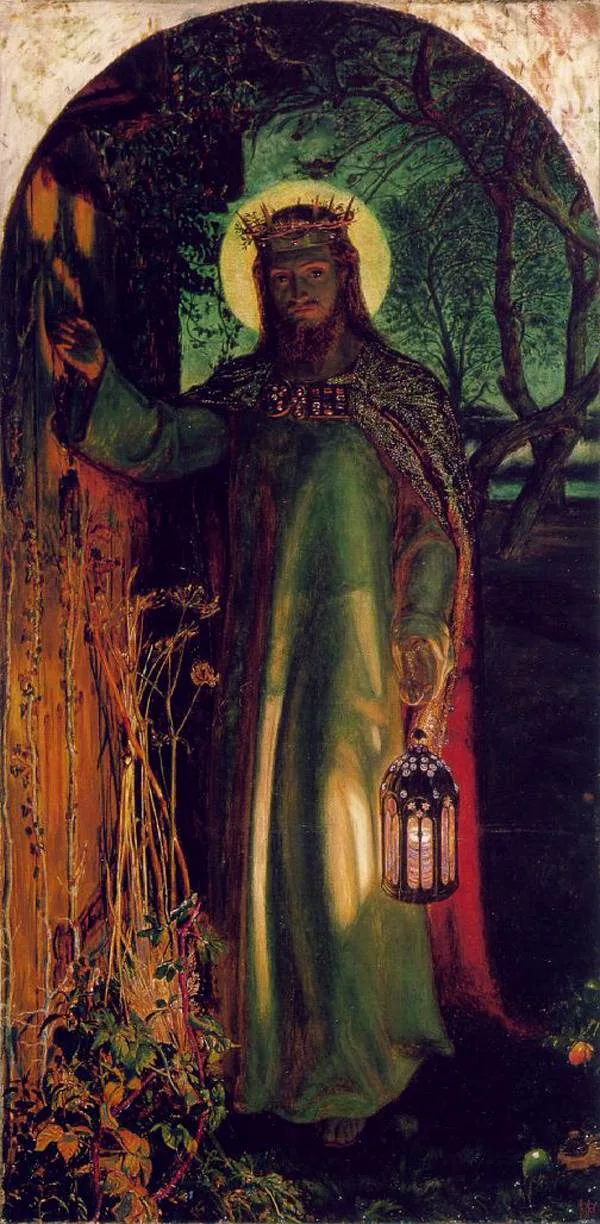
“Behold, I stand at the door and knock”
In Holman Hunt’s painting, the door has no handle on the outside. It can only be opened from within (Revelation 3:20). Christ does not force his way in; he invites.
So do we. You do not need to have it all figured out, and you will not make the journey alone: in OCIA you meet others asking the same questions, and you have a sponsor, a Catholic who walks with you all the way. Those who have come say that, once they came, they found real support.
Join us for Mass
- Saturday5:00 p.m.
- Sunday7:30 a.m. · 10:00 a.m.
- Monday to Friday12:00 noon